A next-generation sports monitoring device for saliva-based biomarker detection. BiteBio stands for Biomolecular Intraoral Tracking & Evaluation, reflecting our focus on noninvasive intraoral biosensing for athlete health monitoring.
Overexercising can lead to serious injury, but current monitoring tools often miss the biochemical warning signs until intervention is too late.
The U.S. military sees about 500 cases of exertional rhabdomyolysis each year from overexercising in heated conditions, and severe cases can lead to organ failure. Exertional rhabdomyolysis has an estimated death rate of approximately 3%–4%.
In the general U.S. population, more than 26,000 hospitalizations are linked to exertional rhabdomyolysis, with reported cases increasing over time.
Commercial wearables like Fitbit and Apple Watch provide real-time physiological data, but they do not directly measure biochemical processes in the body.
Zero needles required. BiteBio supports a non-invasive way to optimize training and prevent injuries in contact-sport athletes by detecting key biomarkers in saliva.
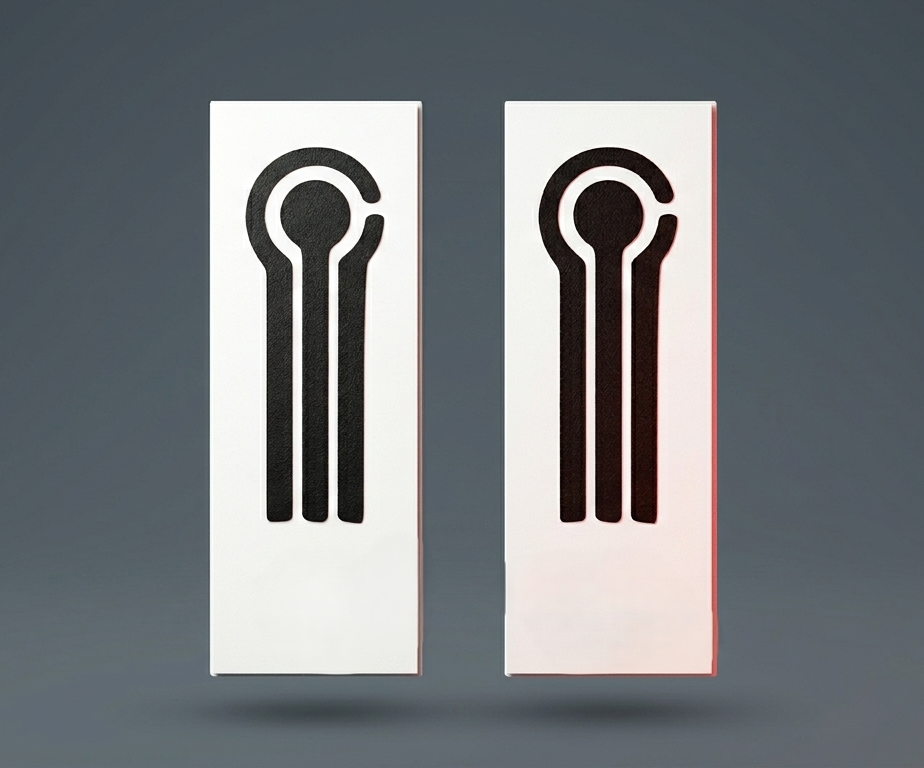
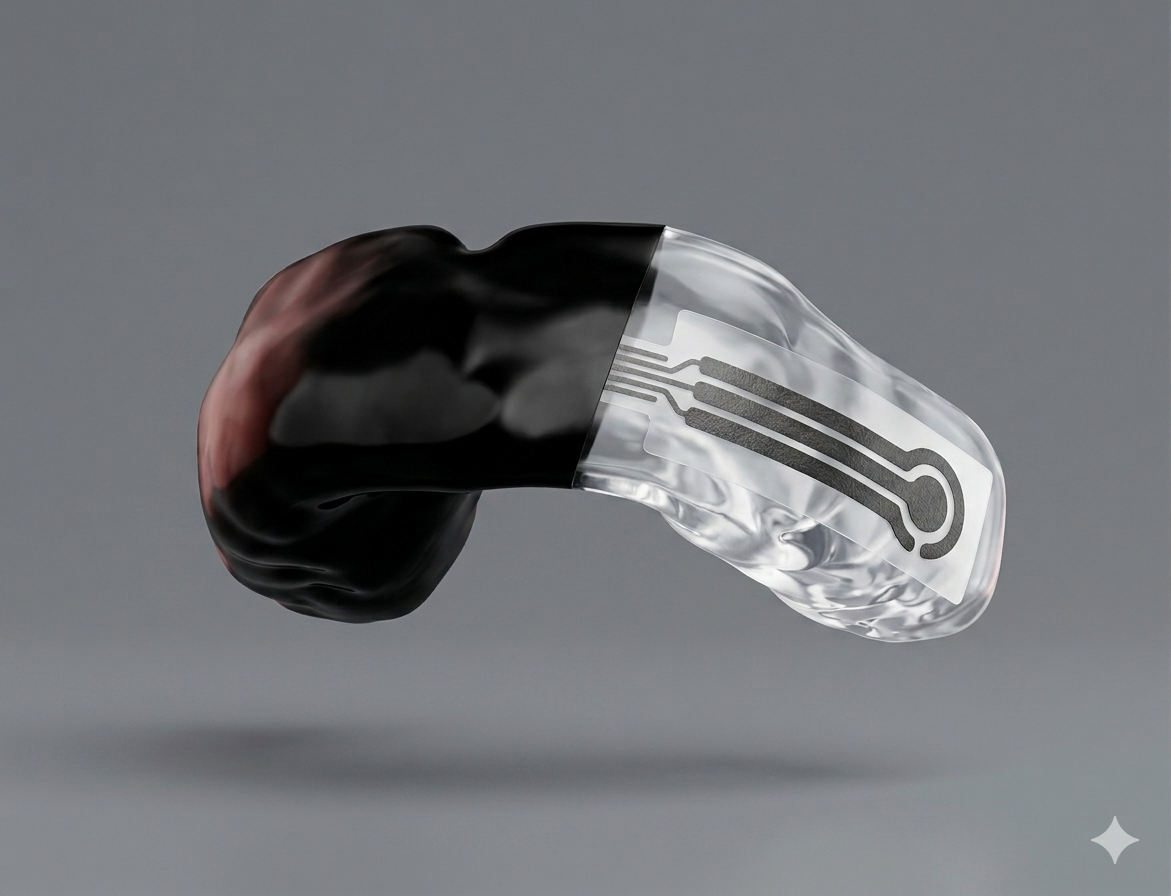
This project focuses on developing the sensor component that will be integrated into a boil-and-bite mouthguard for saliva-based biomarker sensing.
The sensor is designed to interface with saliva inside the mouthguard and detect biomarker signals without requiring blood draws.
BiteBio's current engineering scope centers on the sensor component that would be integrated into a mouthguard platform.
Saliva can be monitored non-invasively during activity, making it practical for athletes who need health feedback without stopping training or competition.
Integrating the sensor into a mouthguard can turn a familiar protective device into a noninvasive biosensing platform.
The sensor is the core sensing component of the BiteBio system. Once integrated into the mouthguard, it is designed to interface with saliva and help detect biomarker signals related to athlete stress, fatigue, and hydration.
This allows the mouthguard to function as a noninvasive biosensing platform rather than only a protective device.
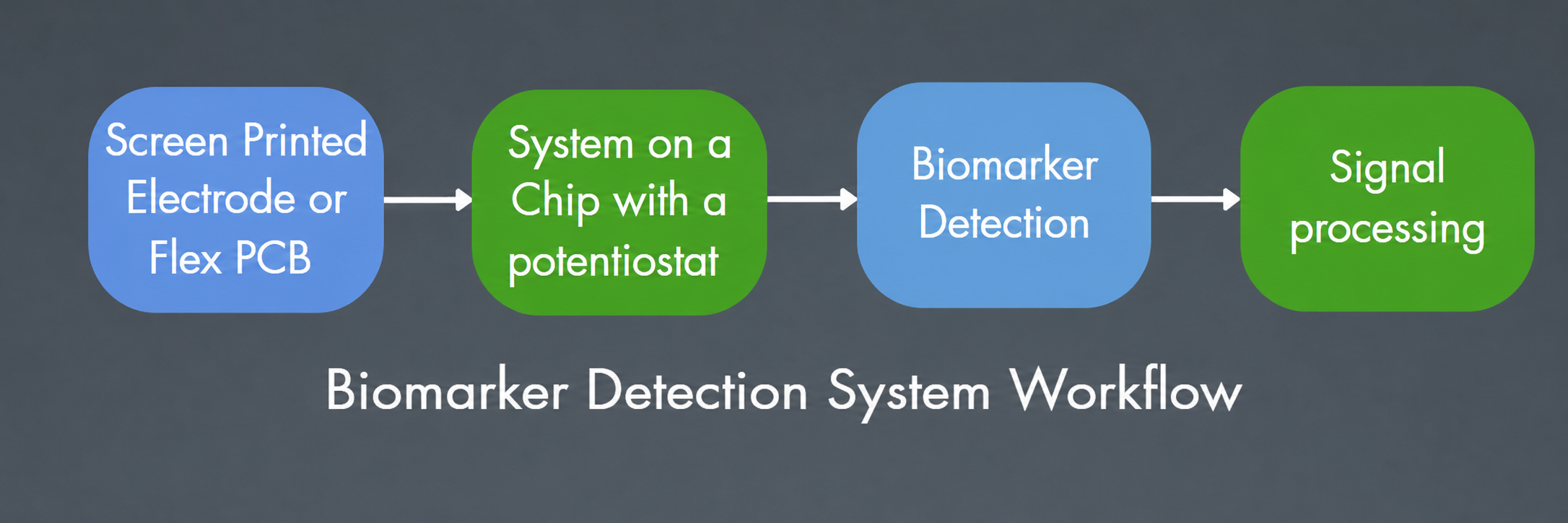
The sensor is attached to a system-on-chip that runs cyclic voltammetry tests and outputs a current corresponding to biomarker concentration.
Commercial wearables provide real-time surface-level data, while lab tests can detect biochemical changes but are too invasive and slow for in-field athletic use.
| Feature | Wearable Sensors (Whoop, Fitbit, etc.) |
Metabolic Panel (Lab Testing) |
BiteBio Mouthguard (Our Solution) |
|---|---|---|---|
| Invasiveness | Non-Invasive | Invasive (Blood) | Non-Invasive |
| Speed of Results | Real-Time | Hours to Days | Real-Time |
| Physiological Insight | Surface-Level | Deep Biochemical | Biochemical |
| Physical Protection | None | None | Full Oral Protection |
| Convenience | High | Low | Very High |
| Use During Activity | Yes | No | Yes |
Track heart rate, steps, and skin temperature in real time, but do not directly measure biochemical processes related to fatigue, hydration, or training load.
Can provide biochemical information, but blood draws, benchtop testing, and delayed results make lab-based methods impractical for athletes during training.
Combines a familiar protective mouthguard with non-invasive salivary biomarker monitoring for actionable training insight during athletic activity.
BiteBio is designed for contact-sport athletes, coaches, and trainers, with a commercialization path built around smart mouthguard integration and biomarker trend tracking.
BiteBio turns a required piece of protective equipment into a non-invasive biochemical monitoring platform, helping teams understand short-term and long-term biomarker trends that contribute to a fuller athletic profile.
Existing sports wearables stop at surface-level physiological signals, while BiteBio targets biochemical insight from saliva inside a form factor athletes already use in contact sports.
BiteBio addresses the lack of real-time, non-invasive biochemical monitoring for athletes by embedding salivary biomarker detection into a boil-and-bite mouthguard.
Paste your YouTube link into the data-youtube-url field in this section.
Reach the team directly through LinkedIn for project updates, collaboration opportunities, and professional contact.